Home / About Grenada
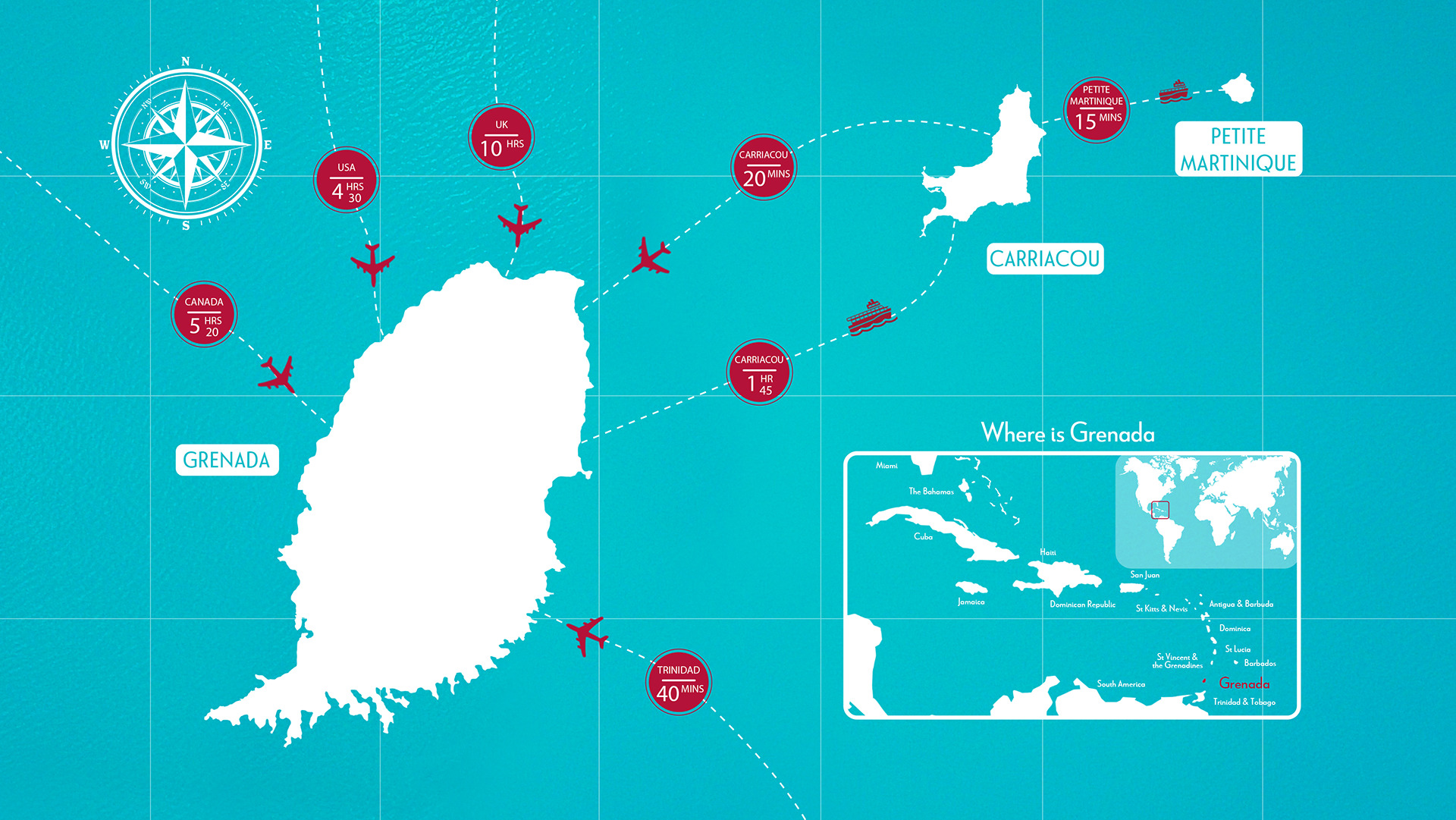
Grenada (pronounced Gre-Nay-Dah) is a captivating eco-tourism paradise nestled in the heart of the Caribbean, where the allure of nature meets the thrill of adventure. Every moment promises pure adventure, natural splendor, rich heritage and culinary delights.
Grenada is a haven for adventure seekers, beckoning with a myriad of thrilling experiences including hiking through untouched rainforests, journeying to the summit of breathtaking mountain peaks and diving into the crystal-clear pools of our 14 waterfalls.
Whether you’re a beach dweller yearning for sun-kissed sands, a family in search of fun and adventure, or a couple dreaming of a romantic getaway or a destination wedding, Grenada has something special to offer. The island paradise also beckons to those seeking a break from the demands of everyday life. For this we recommend a laid-back day on our world famous gorgeous Grand Anse beach with a cocktail in hand.
Unlock your senses in the culinary capital of the Caribbean in which organic chocolate, spices and flavourful local dishes merge to make an unforgettable gastronomic experience. Grenada’s cultural tapestry is rich with a unique carnival in August lovingly called ‘Spicemas’ and community traditions practiced even today.
Add the world’s first underwater sculpture park, captivating wreck and reef dives, historical forts, a colourful spice market, year-round good weather and warm welcoming people…and you will agree that Grenada is a gem worth discovering.
Tree to Bar ChocolateSpicesUnderwater Wonders
Previous slide
Next slide
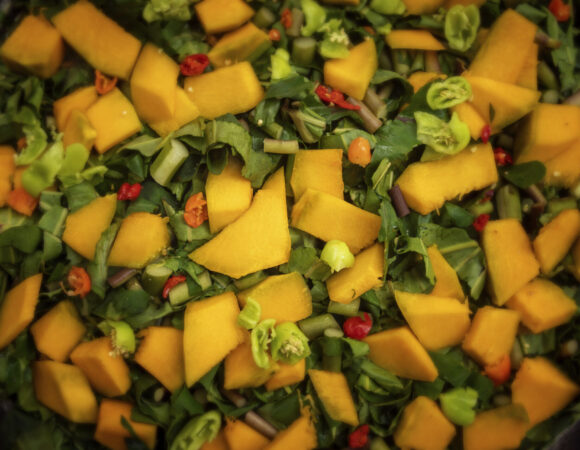
Experience Grenada’s ultimate cultural celebration ‘Spice Mas’- a bucket list experience for sure. This annual festival is a mesmerizing fusion of energy, vivid colors, street parties, infectious Caribbean music, exhilarating dance, the finest rum and rhythmic beats. Be sure to ask about our unique Jab Jab and traditional mas. While you’re at it, indulge your taste buds in the culinary delights that define our unique Caribbean heritage. No visit to Grenada is complete without savoring the iconic ‘Oil Down,’ a culinary masterpiece that blends breadfruit slow-cooked with a medley of meat, salted fish and vegetables, absorbing the delectable flavors of callaloo, coconut milk and turmeric. In Grenada, our culture is not just observed – it is experienced, tasted, and felt in every beat, bite, and vibrant moment of celebration.
Grenada’s history is a captivating tapestry woven with a diverse array of influences including the early indigenous Amerindian communities of which artifacts can still be found today, to the later European colonial powers. In particular, the island changed hands between the French and British quite a lot. Therefore, the island has been mainly shaped by the hands of the French, British and later African influences. The colonial era left its indelible mark, contributing unique facets to Grenada’s cultural identity whilst the amalgamation of African and East Indian influences further enriched the historical narrative contributing to the music, food and traditions enjoyed today such as carnival.
GrenadaIn 1763, our mainland was named Grenada when the British gained control from the French who had named the country La Grenade. The name originates from Granada given by the Spaniards in the 1520s. When the British regained control, they failed in their attempts to rid the island of French influences imposed since 1649 when the French settled the island. Years on, Years on, our islands reveal influences of Amerindian customs, French and English settlement fused with African, East Indian and Caribbean ancestry.GrenadaThe first people believed to have settled in Grenada were the Arawak-speaking Amerindians from South America. Archaeological sites have unearthed evidence of these settlers, which reveal skilled agriculturists and fishermen who built their own boats, leaving behind skills that remain with us today. Other archaeological treasures are the petroglyphs at Duquesne Bay in the parish of St. Mark, where carvings on large boulders depict faces and drawings from the past.
GrenadaThe National Museum in our capital city St. George’s, Carriacou Museum on the island of Carriacou and Rome Museum at Walker in the parish of St. Andrew house rare antiques and collectibles from Grenadians of the past. There are also several historical sites preserved – and in some cases, restored – offering a physical experience of invasions, battles and tragedies throughout our history.
Previous slide
Next slide
Read our History

Culinary Stories
Posted on
Meet the Makers – Winners of GTA’s first Young Chef, Young Mixologist Competition
Our Stories
Posted on
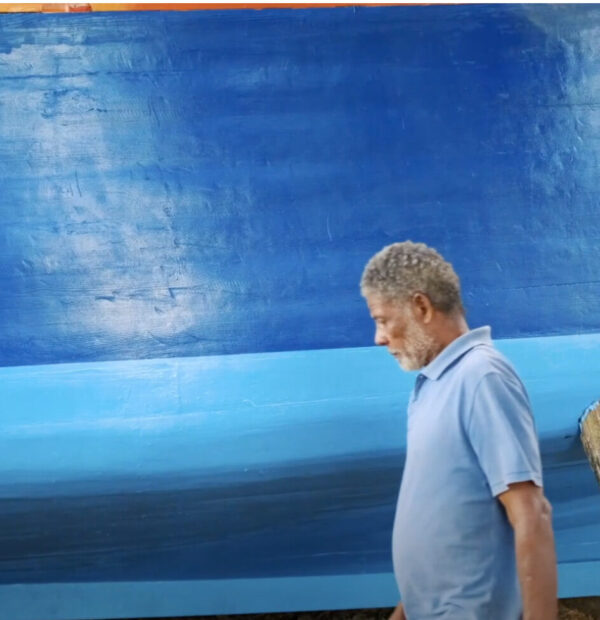
Carriacou Boat Launch

Culinary Stories
Posted on
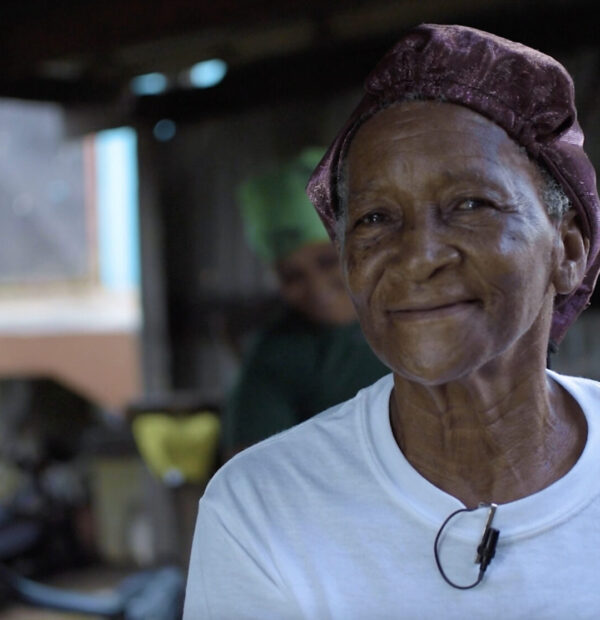
Meet the Makers: West Indies Beer Company
Culinary Stories
Posted on
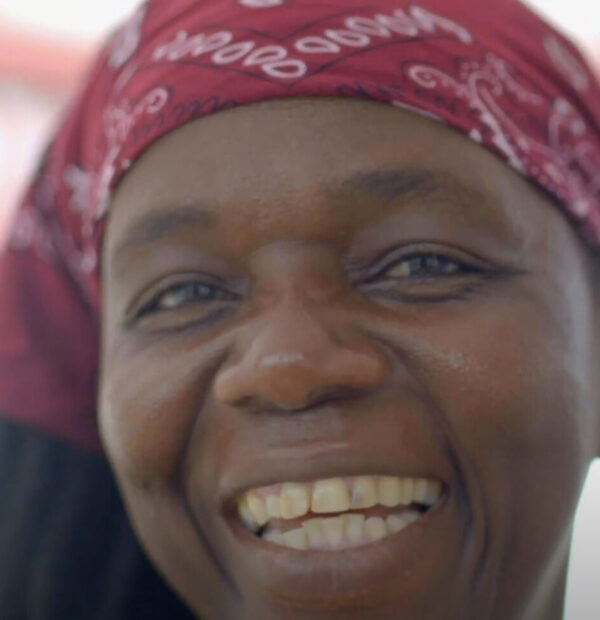
Meet the Makers: Ms Tourist, Farine Maker
Festivals & Culture Stories
Posted on
Six Roads Maroon – Carriacou
View More
Culinary Stories
Posted on
Meet the Makers – Winners of GTA’s first Young Chef, Young Mixologist Competition
Our Stories
Posted on
Carriacou Boat Launch
Culinary Stories
Posted on
Meet the Makers: West Indies Beer Company
Culinary Stories
Posted on
Meet the Makers: Ms Tourist, Farine Maker
Festivals & Culture Stories
Posted on
Six Roads Maroon – Carriacou
View More
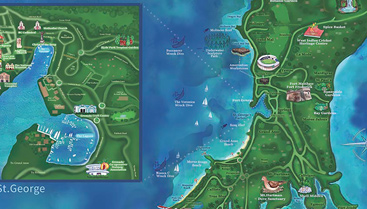
Pure Grenada has been shaped by an interesting and thrilling mixture of French, African and British influences. Today, accents of our rich and colorful history still remain from our Georgian architecture to beautiful historical forts and ancient rum distilleries. By downloading the Grenada Heritage Map, you will have at your fingertips a virtual map that allows you to browse historical and natural/landscapes – points of interest in Grenada, Carriacou and Petite Martinique and get directions to them. These well-preserved points of interest will surely allow you to step back in history to find out what makes our destination unique. The App is available via the Google and Apple Stores. Just Search ‘Grenada Heritage Map’.